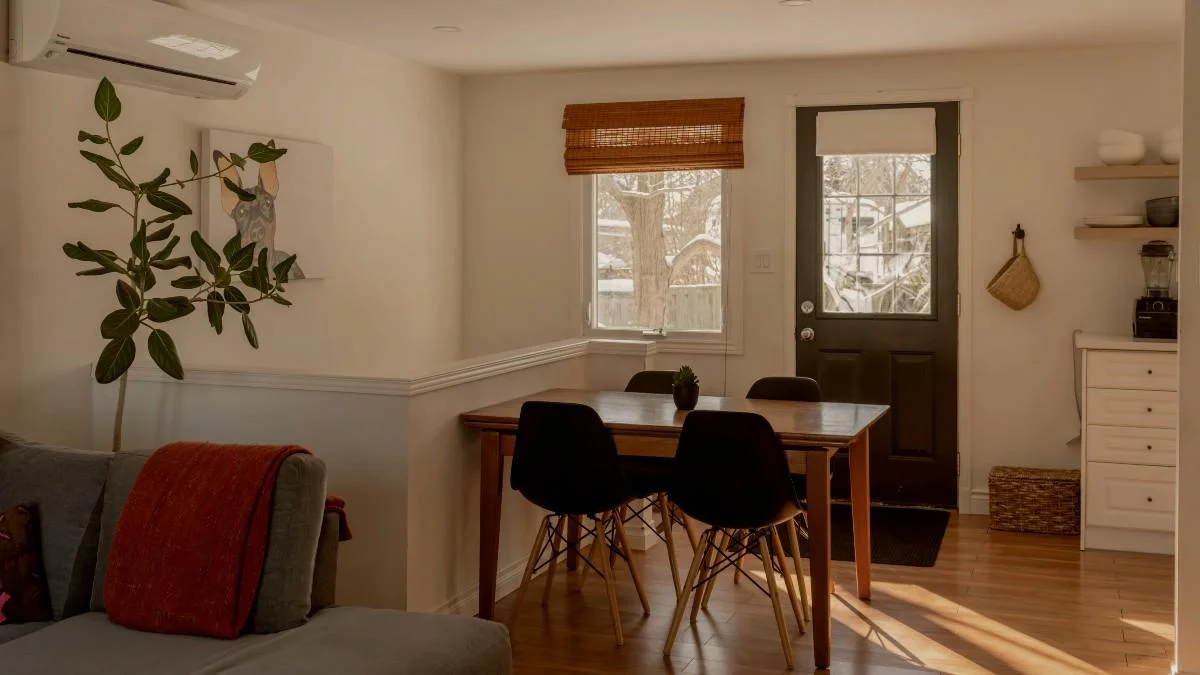
Discover Your 'Design DNA' With This Psychologist-Created Quiz
Your design choices reveal patterns in how your brain processes the world and manages stress.

We've all been there: scrolling through endless interior design feeds, trying to articulate that elusive "vibe" we want for our homes. Is it minimalist? Bohemian? Industrial? We often treat these labels as mere aesthetic preferences, like choosing a favorite color. But what if our design choices run far deeper, wired into our psychological makeup and even our neurological responses to the environment?
A growing body of research in environmental psychology and neuroaesthetics suggests that our preferred design styles are not just about what looks good, but about what feels good — what reduces stress, and what genuinely supports our cognitive and emotional well-being.
As a psychologist, I've spent years exploring the subtle interplay between our inner worlds and the external environments we inhabit. It turns out, our "design style" is less about fleeting trends and more about a fundamental alignment with how our brains process information, manage stress and express identity.
To help you uncover the hidden blueprint of your own preferences, I've developed a science-inspired assessment to identify your specific psychological profile.Stop guessing which Pinterest board fits your life. Take the Design DNA Quiz here to discover which of the eight psychological archetypes defines your ideal environment.
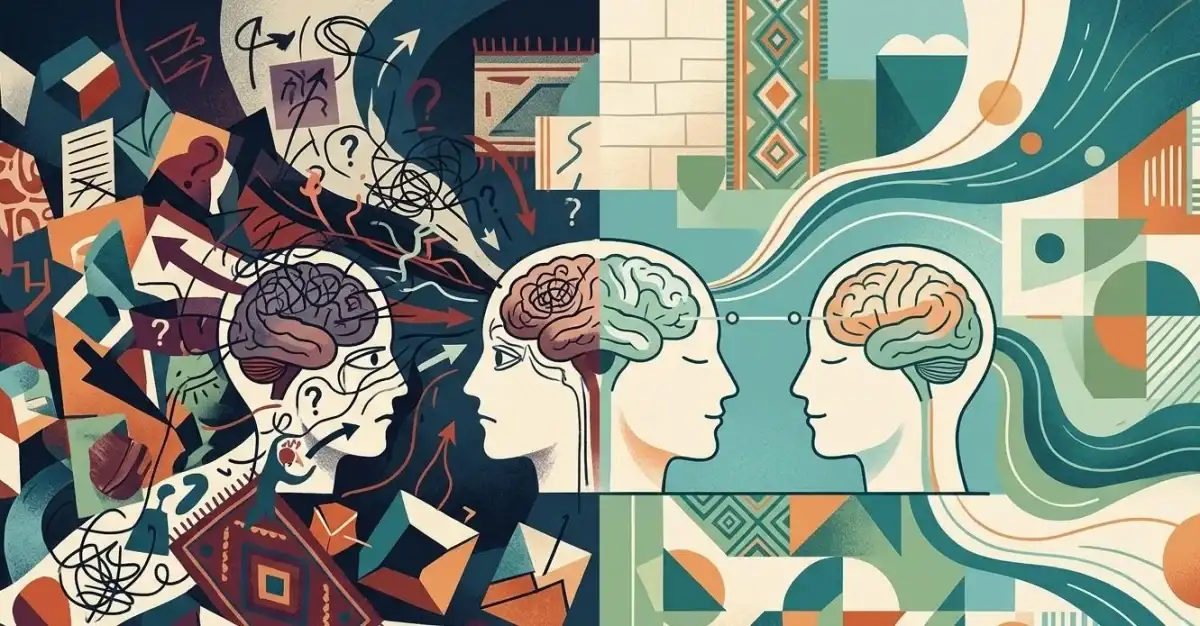
Why Design Matters More Than You Think
Consider the sheer amount of visual information your brain processes every second. From the patterns on a rug to the texture of a wall, every element in your environment contributes to a continuous stream of data that your brain must interpret. This isn't just passive observation; it's active engagement that consumes cognitive resources.
A foundational study from Princeton University's Neuroscience Institute, published in The Journal of Neuroscience, found that physical clutter in one's environment competes for neural resources in the visual cortex. This competition reduces the brain's capacity to focus and can elevate cortisol levels, which is the physiological signature of chronic low-grade stress.
This suggests that a visually overwhelming can be neurologically taxing. Conversely, environments that align with our innate processing preferences can be profoundly restorative.
The Three Design Pillars (Based On Environmental Psychology)
To move beyond the superficiality of decorating tips, we must look at the three dimensions that dictate our spatial comfort. The Design DNA Quiz framework is built upon these three scientific pillars:
- Sensory complexity. This dimension measures your tolerance for visual information density. Visual complexity, when personally meaningful, can enhance creative thinking and strengthen identity expression. However, for others, high complexity is perceived as visual noise. These individuals have a higher need for cognition and require restrained environments to lower their cognitive load. For them, minimalism is a deliberate act of design that allows the mind room to breathe.
- Temporal synthesis. This dimension explores our relationship with time and tradition. Some individuals thrive on the eclecticism of mixing styles and eras freely. This can reflect a high degree of openness to experience, a core Big Five personality trait. Others find psychological safety in period-specific or codified traditions. This preference often stems from a sensitivity to what Gestalt psychologists call "good form," the perceptual satisfaction found in balanced, symmetrical and predictable compositions that the brain processes with high fluency.
- Emotional temperature. This is perhaps the most visceral dimension, rooted in our biological history. Those drawn to warm or organic environments are often responding to what researchers call "biophilia," or the innate human tendency to seek connection with living systems. Research on restorative environments notes that natural textures and soft light reliably reduce cognitive fatigue. On the other hand, those who prefer cool or structured environments often prioritize architectural precision and material honesty, finding a different, more cerebral kind of aesthetic satisfaction in the bones of the building itself.
So, why do we feel at home in some spaces and on edge in others? The answer often lies in processing ease (or cognitive fluency). When you enter a room that matches your Design DNA, your visual system can parse the environment without effort.
For a person with a "restrained" DNA, a maximalist room (high complexity) forces the brain to spend precious neural energy sorting through stimuli, leading to a felt sense of exhaustion. Conversely, a person with an "ornate" DNA may find a minimalist room (low complexity) understimulating, leading to a drop in mood or creative energy.
Color psychology also plays a measurable role. A study published in the Annual Review of Psychology suggests that certain palettes don't just look pretty, they activate the limbic system. Warm, earthy tones can trigger feelings of groundedness and belonging, while cooler, high-contrast palettes can trigger alertness and glamour.
Designing For A Better You
The implication is clear: intentionally designing your home based on your neurological not only makes your home beautiful, but also tailors it to your brain's unique aesthetic needs.
By understanding where you fall on the dimensions of complexity, synthesis and temperature, you can create a personal sanctuary that mitigates stress, fosters focus and truly reflects your internal world.
The emerging field of neuroaesthetics reminds us that our surroundings are not passive backdrops; they are active participants in our psychological well-being. By aligning your home with your innate DNA, you're practicing a profound form of cognitive self-care.
Curious to find the space your nervous system feels safest in? Take the Design DNA Quiz to find out.
About the Author
Mark Travers, Ph.D., is the founder of Therapytips.org, where he helps match new clients with the right therapist on the team — request a session or get matched here. Mark received his B.A. in psychology, magna cum laude, from Cornell University and his M.A. and Ph.D. from the University of Colorado Boulder. His academic research has been published in leading psychology journals and featured in major outlets including The New York Times and The New Yorker. He is a regular contributor for Forbes, CNBC, and Psychology Today.
More Articles For You
-
Psychologist: 1 Habit All Intelligent People Swear By
Most of us dump this habit the moment we’re out of school. The ones who stick with it benefit exponentially.
-
Post-Traumatic Stress and how to cure it in one session.
What is the Rewind Technique?